

How Thoughtfully Designed Parks Keep Communities Moving All Summer Long
Posted on June 30, 2026
.jpg?width=2000&height=1411&name=55257583938_61e9567d57_k%20(2).jpg "Group of girls pushing each other on Inclusive Whirl")
When the final school bell rings, family routines can go sideways fast. Recess disappears. PE is on pause. After-school activities take a break. Suddenly, parents are balancing work schedules while serving as their children’s social secretaries. And even if they say, “Go outside to play with your friends,” the familiar summer soundtrack of “I’m boooooored” can still be heard on repeat.
And you know what’s always ready and waiting to fill that boredom? Screens. And please, just no.
That’s where great parks come in. When communities have accessible, thoughtfully designed outdoor spaces, summer starts looking a whole lot different. Less screen time and more climbing, walking, running, gathering, and exploring.
.jpeg?width=6545&height=3427&name=IPROMEPHOTOS-2%20(3).jpeg)
Parks: The Unsung Heroes of Summer
A really good park does more than give kids somewhere to burn energy. It gives families options, like:
- - A morning walk before the heat kicks in.
- - A splash pad to stop by after camp.
- - A playground meetup that turns into lunch with neighbors.
- - An evening fitness class while the kids play nearby.
The best parks become part of the rhythm of everyday life. And that doesn’t happen by accident. Thoughtful design is what transforms a park from “that place with a swing set” into a true community wellness hub.
Because wellness doesn’t look the same for everyone, for some, it’s a walking loop and outdoor fitness equipment. For others, it’s a shaded bench while the grandkids play. For teenagers, it might be a basketball court or open green space where they can actually be without being told to leave. A successful park makes room for all of it.
Design Matters More Than You Think
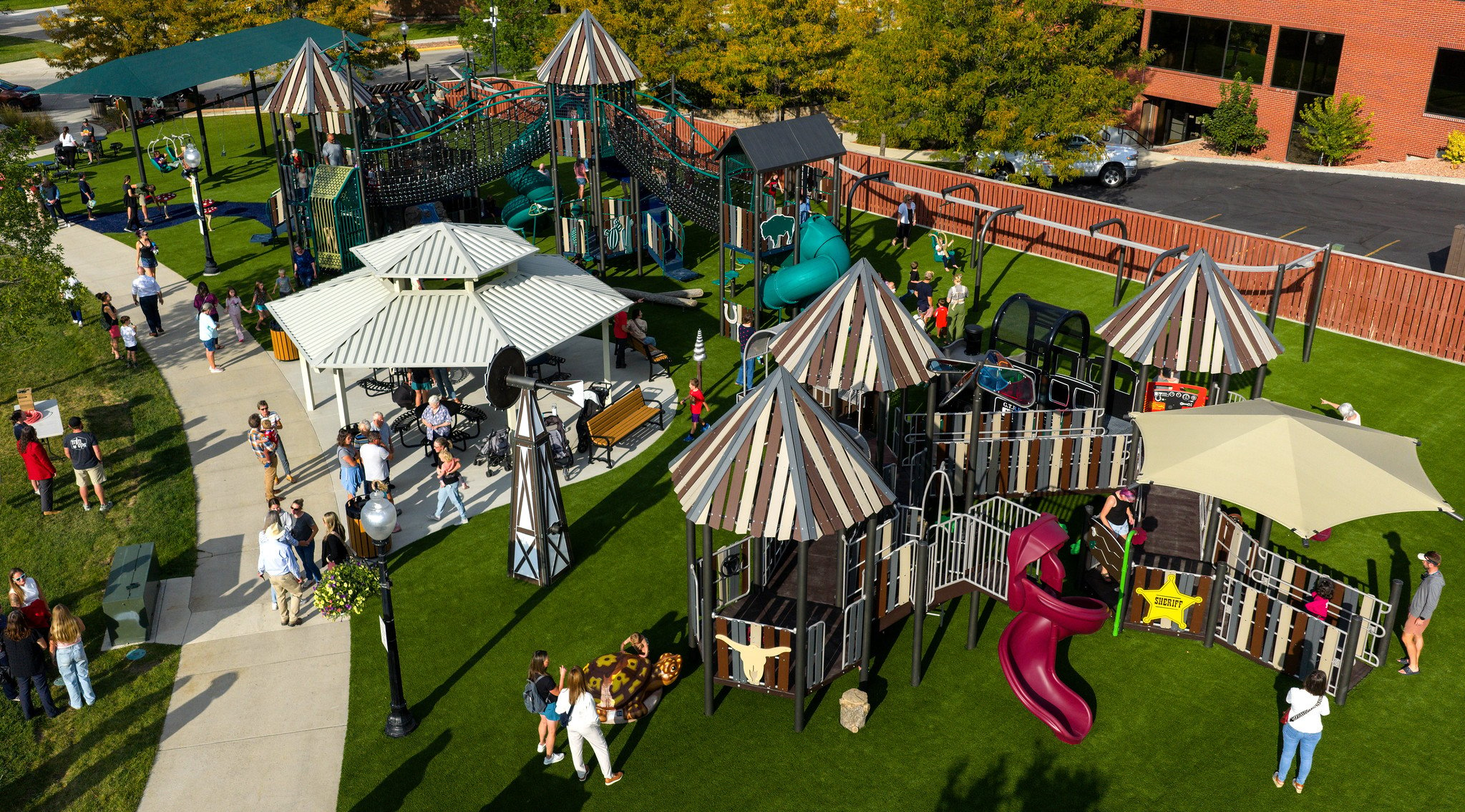
Let’s be honest. Not all parks are created equal. If there’s nowhere to sit, no shade, no sense of safety, or nothing beyond a single aging play structure, people won’t stay. And if they don’t stay, they don’t come back. The parks communities use over and over again tend to have a few things in common:
- - Shade (because no one wants a sunburn)
- - Spaces for multiple generations to use at once
- - Walking paths, fitness stations, and movement loops
- - Open lawns and flexible gathering spaces
- - Inclusive design that welcomes everyone
Summer Programming for the Win
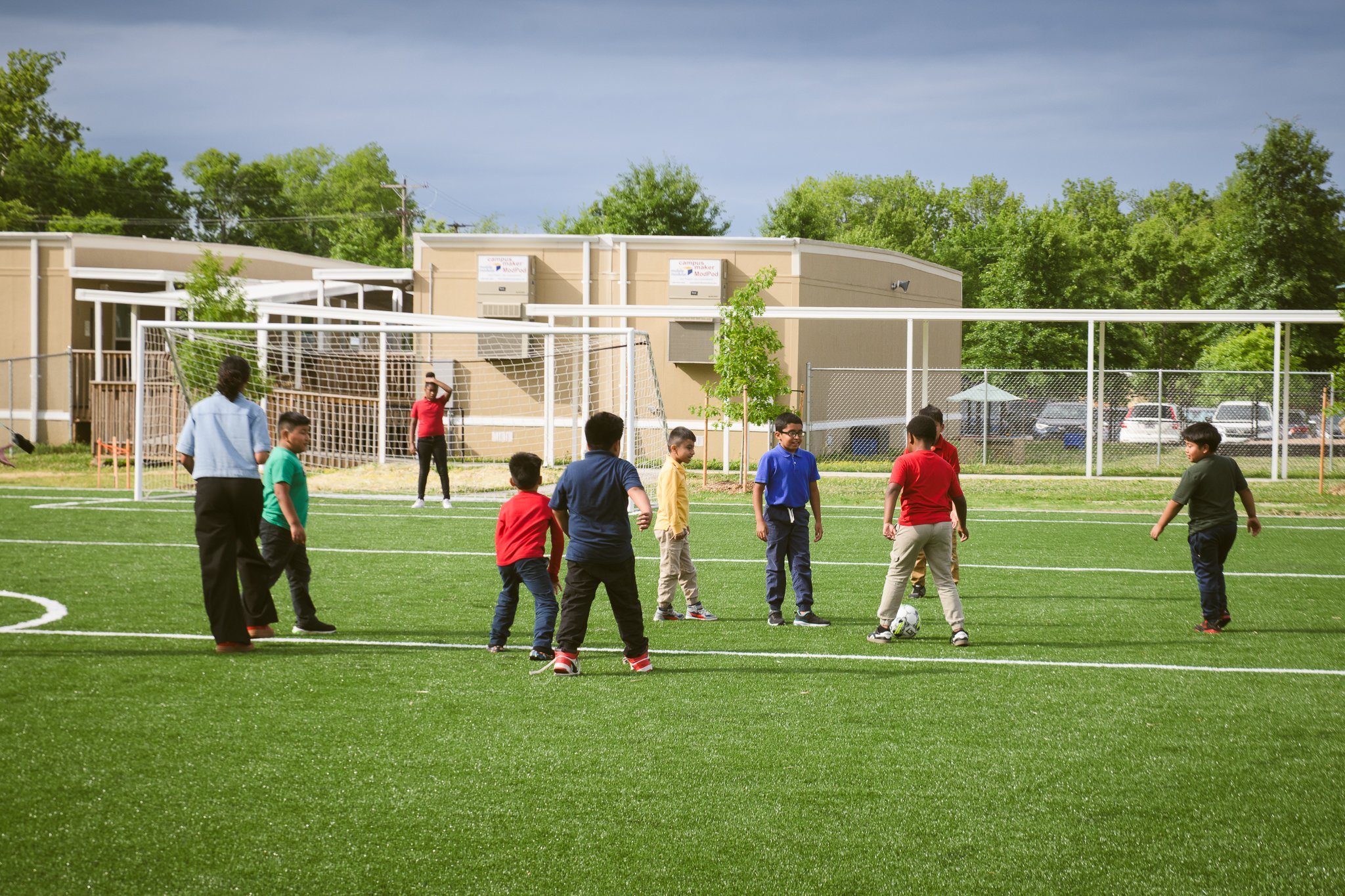
The physical space matters. But what happens in the space matters too. Think:
- - youth camps
- - family movie nights
- - outdoor yoga
- - walking clubs
- - wellness classes
- - community festivals
- - nature-based play programs
Research shows that programming efforts and creative engagement attract people to parks. When municipalities and organizations budget for programming, kids have the opportunity to stay active while their caregiver works. That kind of activation also keeps parks feeling alive. And it serves a real need.
According to the National Recreation and Park Association, 57% of park and recreation professionals say children in their out-of-school programs come from households facing significant financial challenges.
When school is out, parks often become more than recreation spaces. They become affordable childcare support, meal access points, social connection hubs, and safe places for kids to simply be kids.
Summer Doesn’t Have to Mean Going Stir Crazy
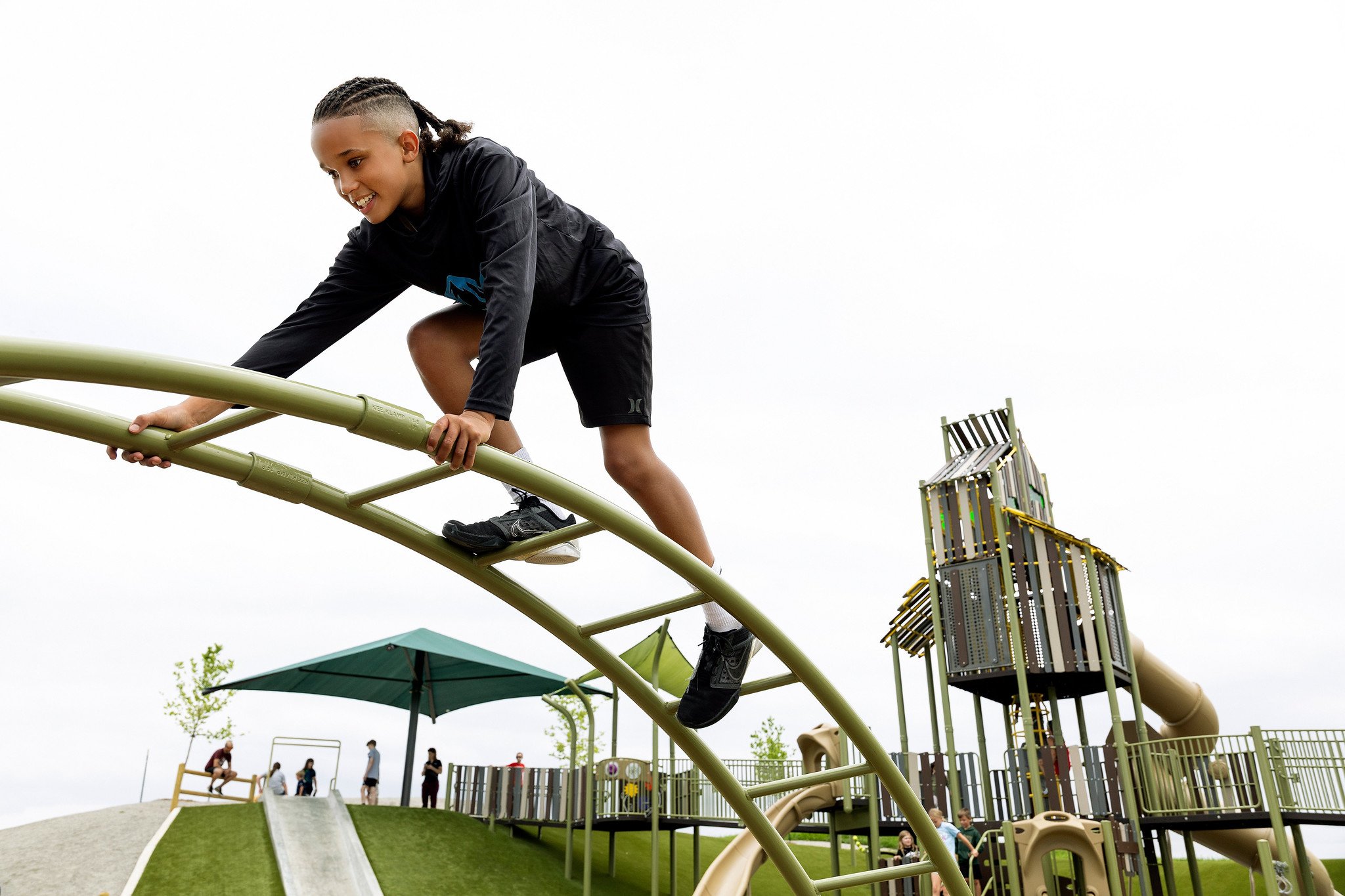
When school’s out, communities need places that work harder. And places that invite movement, spark connection, and give families breathing room. That’s what thoughtfully designed parks do. They turn unstructured summer days into opportunities for healthier, happier communities. Couldn’t we all use more of that?
At IMPACT Parks, we help communities create spaces designed around how people actually live, play, move, and gather.
Because summer should feel less like survival mode and a lot more like sunshine, movement, and maybe just enough exhaustion to make bedtime easy.