

Rebuilding The Places that Built Us: How Parks Help Communities Recover After Natural Disasters
Posted on February 10, 2026
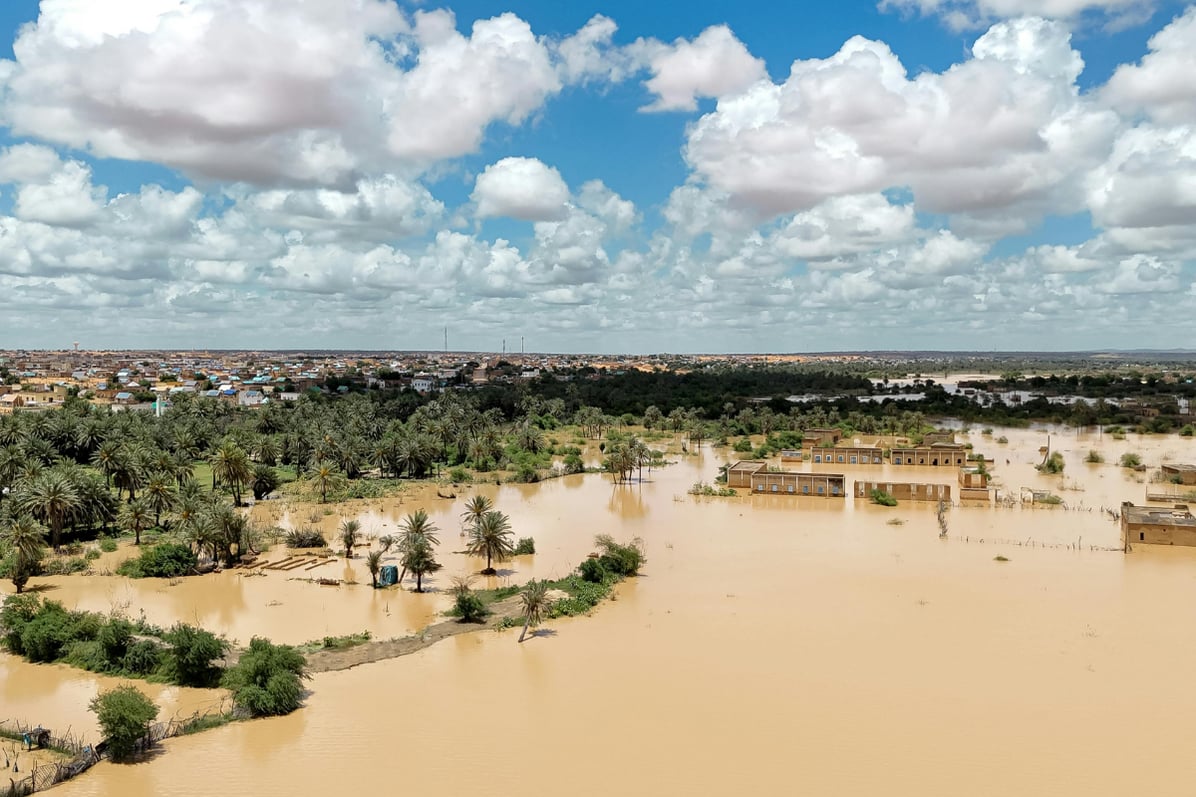
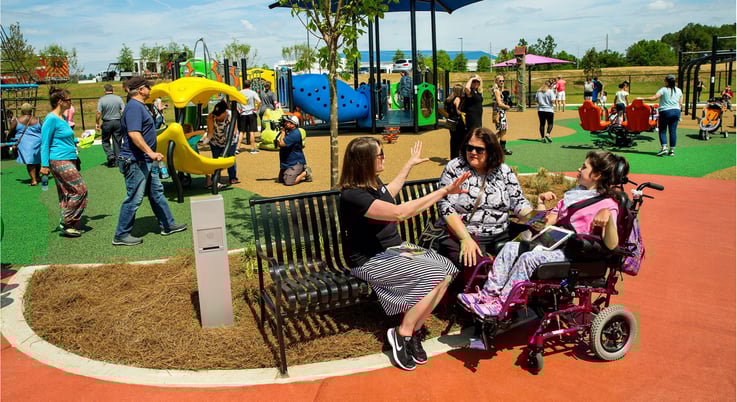
Parks and public spaces are more than pieces of land; they are the heart of a community. They are where neighbors meet, children play, and connections grow. These shared places give a town its character and help transform neighborhoods into true homes.
When a natural disaster strikes, the community is shaken to its core. The damage is immediate and visible, leaving behind altered landscapes and broken connections, but beyond the physical destruction, disasters fracture something less tangible yet equally vital: a community’s sense of connection.
Why Parks Matter in Times of Recovery
Playgrounds, trails, and recreation centers help restore a sense of normalcy, providing moments of joy and comfort when they are needed most. Reinvesting in these spaces is about more than replacing what was lost; it is about renewing hope, strengthening resilience, and bringing communities back together.
Community spaces are the heartbeat of neighborhoods. After a disaster, these spaces often become informal gathering points. A place where neighbors share information, support one another, and take the first steps toward moving forward.
For children, especially, access to play is essential. Disasters can be traumatic, disrupting routines and creating uncertainty. Playgrounds and recreation spaces offer a sense of familiarity, helping children process what they have experienced. Research shows that play contributes to mental health, physical well-being, and social connection in children. In communities impacted by disasters, these benefits become even more critical.
 The Hidden Cost of Lost Recreation Spaces
When a park is damaged or a playground is destroyed, the loss ripples far beyond the site itself. Programs are put on hold. Community events are canceled. Families lose familiar, welcoming places to gather and connect. In the aftermath of a disaster, municipalities are overwhelmed by urgent demand, restoring utilities, repairing roads, and addressing immediate public safety needs. In such situations, recreational spaces can easily slip down the priority list.
Rebuilding these spaces, however, is about much more than construction and cleanup. As communities work to reopen parks and public facilities, they face the equally important challenge of rebuilding relationships and restoring a sense of togetherness. The physical repairs may be visible, but the social recovery requires time, intention, and care.
This is where partnerships, community support, and philanthropy can make a meaningful difference. Targeted investment in recreation helps revive gathering places, restart programs, and create opportunities for neighbors to reconnect. By prioritizing these shared spaces, communities do more than replace what was lost; they begin to heal and move forward together.
The Role Organizations Can Play
Rebuilding parks after a disaster is not just about replacing equipment. Private organizations, nonprofits, foundations, and corporate partners have a unique opportunity to support disaster-impacted areas. Contributions toward parks and playgrounds provide a visible, community-centered return on investment.
Support can take many forms:
- 1. Donating playground equipment or fitness infrastructure
- 2. Funding design and planning services
- 3. Sponsoring community recreation projects
- 4. Partnering with municipalities
- 5. Supporting research-based data and planning to prioritize high-impact areas
-
.jpg?width=737&height=491&name=R62A4299%20(2).jpg) Moving Forward Together
Moving Forward Together - Natural disasters may wipe out physical spaces, but they do not erase a community’s spirit. With thoughtful investment and collaborative partnerships, parks and playgrounds can once again become places of connection. To support a community near you, set up a meeting with Cindy Rea, our Social Impact Partnership Manager.