
From ROI to ROImpact: Measuring the True Value of a Park Investment
Posted on August 13, 2026
-1.png?width=1366&height=822&name=IP%20Newsletter%20Outline%20(1)-1.png "Farmer's Market at SPROUT Park")
What if the most valuable return on an investment never showed up in a spreadsheet?
What if it looked more like a child using an inclusive playground for the first time, neighbors gathering at a community park after work, or a senior walking a trail every morning because it finally feels safe and accessible?
For organizations investing in parks, playgrounds, and outdoor recreation spaces, success cannot be measured by dollars alone. While financial accountability matters, some of the most important outcomes are reflected in healthier communities, stronger social connections, and greater access to recreation.
That's why we think beyond traditional ROI. We call it ROImpact.
Looking Beyond Traditional ROI
Traditional return on investment follows a familiar formula: compare the resources invested with the financial value generated. But community spaces do not operate like businesses. Their value is reflected in outcomes such as health, well-being, and community connection rather than direct financial return.
Regular physical activity is associated with a lower risk of heart disease, stroke, type 2 diabetes, depression, and several other serious health conditions. The Centers for Disease Control and Prevention also estimates that minimal physical activity is associated with $192 billion in annual healthcare costs in the United States.
Parks and recreation spaces help address those challenges by creating places where movement, connection, and play become part of daily life. They provide opportunities for people to gather, exercise, and build relationships in ways that strengthen the fabric of a community.
What Does ROImpact Measure?
Communities need places where people can move, play, gather, and spend time outdoors. But creating a park is only the beginning. To understand whether an investment is making a meaningful difference, organizations must look at how the space is serving the community over time.
ROImpact looks beyond construction and focuses on outcomes. It examines how a space is being used, who it is serving, and whether it is delivering on the goals that inspired the investment in the first place. Data points such as visitation, repeat use, program participation, accessibility, and community engagement all help paint a clearer picture of success.
At IMPACT Parks, we help organizations turn those metrics into data-driven impact stories that answer critical questions about usage, access, community benefit, and long-term outcomes.
But numbers are only part of the story.
Who Is Being Served?
The value of a recreation space starts with the people who use it.
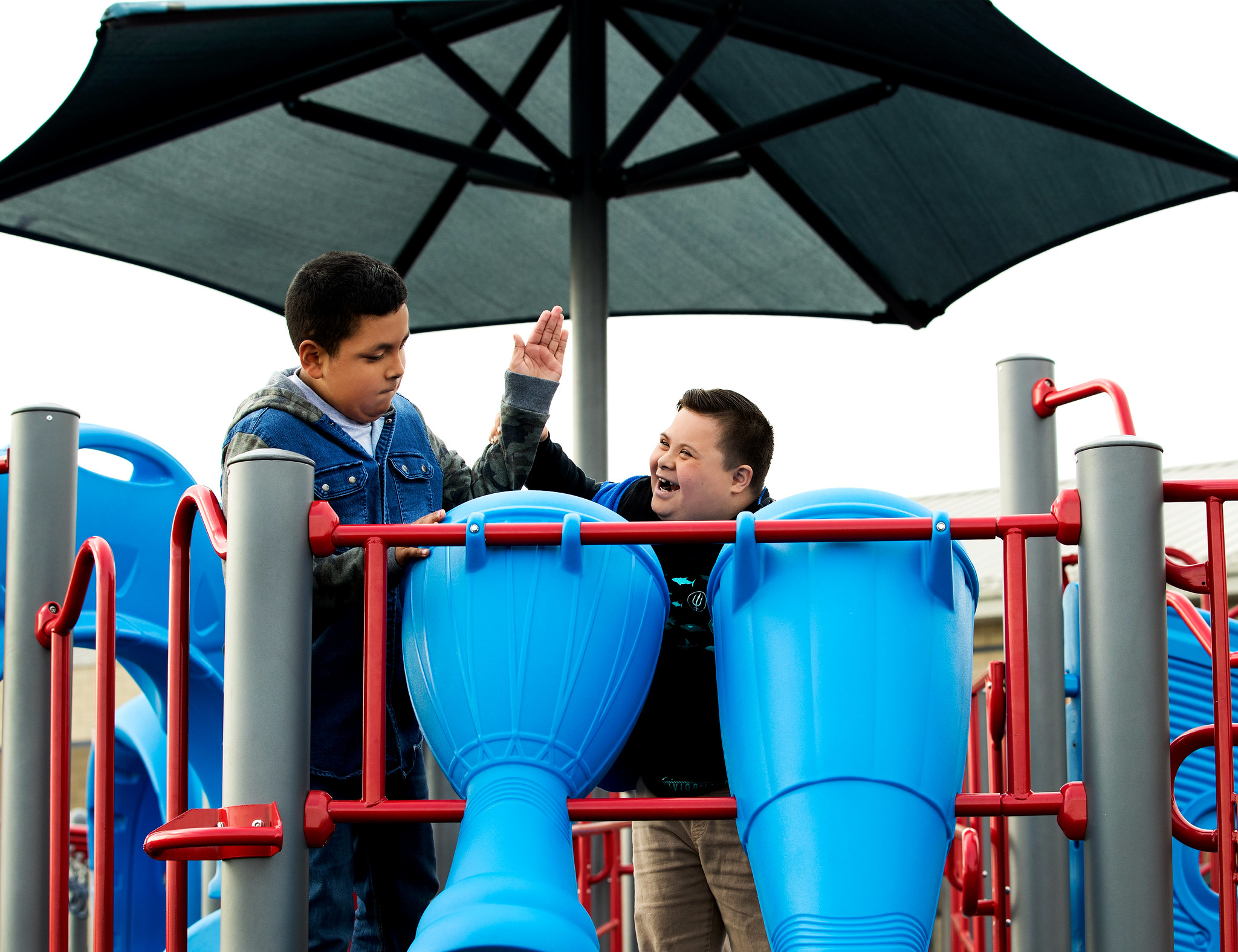
Is the park reaching people who previously lacked access to recreation? Is it welcoming to individuals of different ages and abilities? Does it reflect the priorities identified by residents during planning?
These answers reveal whether a project is truly expanding opportunities or simply adding another amenity. The strongest investments create spaces where more people feel welcomed, included, and connected.
Has Access to Recreation Improved?
Successful recreation projects should respond to a clearly identified community need.
Improved access may mean bringing inclusive play to an underserved neighborhood, creating a destination designed for people of all abilities, or transforming underused land into a valued community resource.
Measuring that impact requires looking beyond the project itself to understand how access has changed. Factors such as proximity, accessibility, transportation, and pre-existing recreation options help reveal whether the investment expanded opportunities for the people it was intended to serve.
In other words, the question is no longer "Did we build a park?" but "Did we create opportunities that were not available before?"
Is the Space Used?
Usage is one of the clearest indicators of value.
Visitor counts, repeat visits, program participation, seasonal trends, and time spent in the space can all reveal how a community is engaging with the investment. Consistent, long-term use often signals that a park is meeting a genuine need. When usage falls below expectations, the data can highlight opportunities to improve programming, accessibility, awareness, or design.
Either way, measurement provides valuable direction.
By tracking how people engage with a space over time, organizations can better understand who is being served, whether access has improved, and how effectively the investment is meeting its goals. These insights help demonstrate impact, inform future decisions, and show stakeholders how the investment is creating lasting value.
Where Data Meets Human Experience
Numbers are essential to understanding impact. Visitor counts, accessibility metrics, participation data, and health indicators show whether an investment is achieving its goals. But data alone rarely captures the full story.
The real impact is reflected in the people behind the numbers: the child discovering an inclusive playground, the grandparent building a healthier routine on a neighborhood trail, the neighbors finding a place to connect, and the employee who takes pride in seeing their company's investment create opportunities for families in their community.
These stories don't replace measurement. These moments give meaning to the metrics. The most effective impact stories combine measurable outcomes with human experiences, helping organizations understand, communicate, and demonstrate the value of their investment.
A Return That Lasts
The true value of a park cannot be reduced to a single number. It is reflected in healthier routines, stronger relationships, expanded access, and more connected communities because there is a place for people to gather. For organizations making community investments, success is not simply completing a project. It's creating lasting impact long after the ribbon cutting. That's the difference between ROI and ROImpact
Because the most important return is not what gets built.
It's what becomes possible because it was built.
Ready to explore what your organization’s investment could make possible? Connect with Rudy and Cindy at IMPACT Parks.