

Are We Building the Spaces Communities Actually Need?
Posted on September 9, 2026
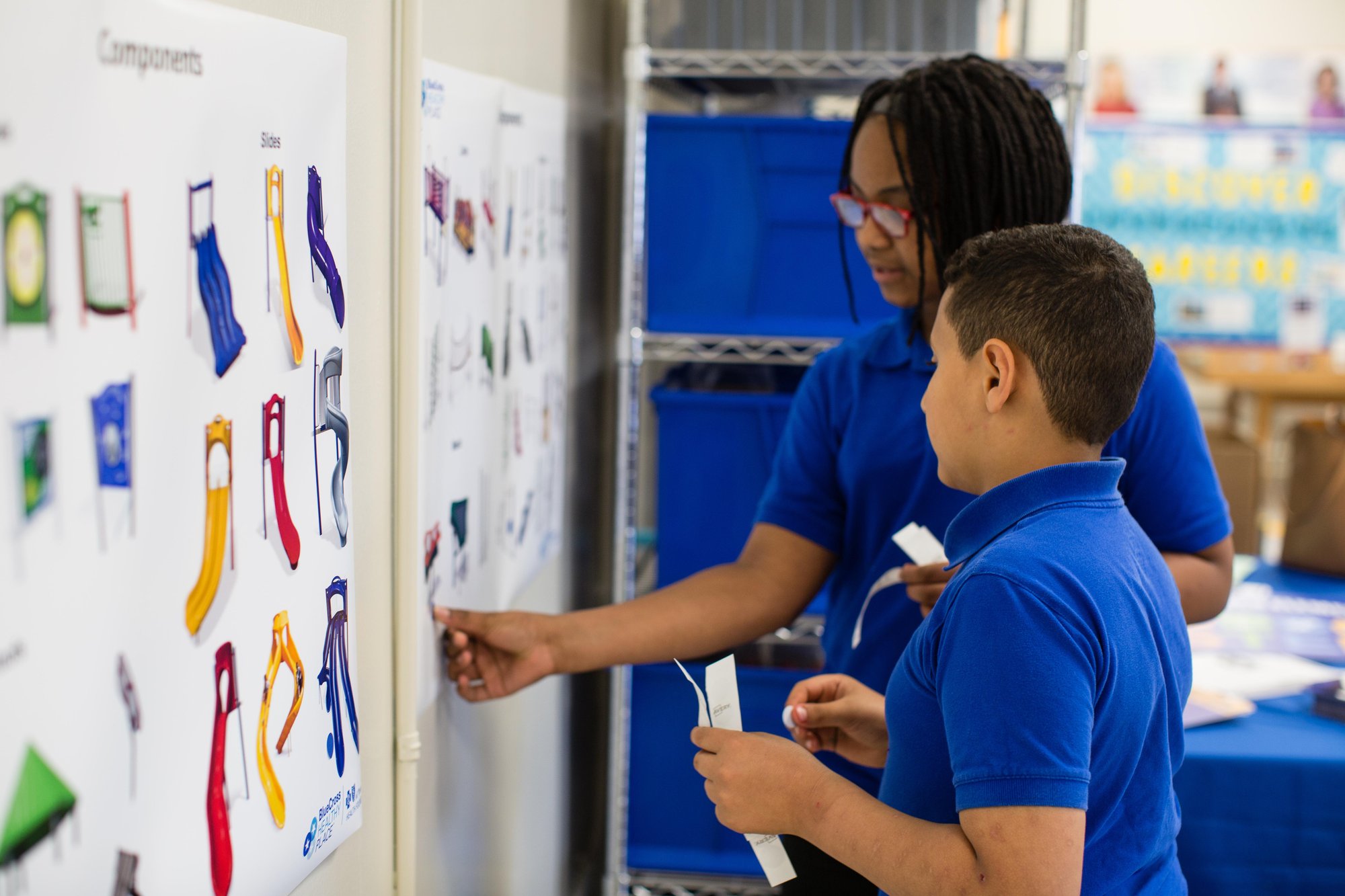
It is easy to start park planning with a list of amenities.
A playground. A splash pad. Pickleball courts. Trails. Outdoor fitness equipment. A performance space. The possibilities are exciting, and every community wants amenities that attract visitors and bring people together.
But before deciding what goes into a park, there is a more important question to answer: “What do the people who will use this park actually need?”
The most successful parks are not necessarily the ones with the biggest budgets or the longest list of features. They are the parks that become part of people's daily lives.
They are where a parent can comfortably supervise their children. Where teens feel welcome, older adults feel comfortable, and neighbors regularly cross paths. Creating those places does not start with design. It starts with listening.
Sometimes the Most Important Amenity Isn't the Most Exciting One
Every park project involves practical realities. Budget, site conditions, maintenance capacity, accessibility, safety, and long-term operations all shape what is possible. It is also natural to look at successful projects in other communities for inspiration.
The challenge is that what works in one community does not automatically work in another. A neighborhood with young families may prioritize different experiences than a community with a growing population of older adults. A pickleball complex may be heavily used in one city and underutilized in another. A splash pad might be a community centerpiece in one climate and a maintenance challenge in another. Sometimes the amenities people value most are the ones that rarely appear in renderings.
According to NRPA's July 2026 polling, the amenities most important to U.S. adults were seating and shade, open green space, and trails. Parents ranked playgrounds highest, reinforcing an important reality: groups within the same community often have different priorities. That is why park planning cannot rely solely on assumptions about what people will want. Communities have to be part of the conversation.
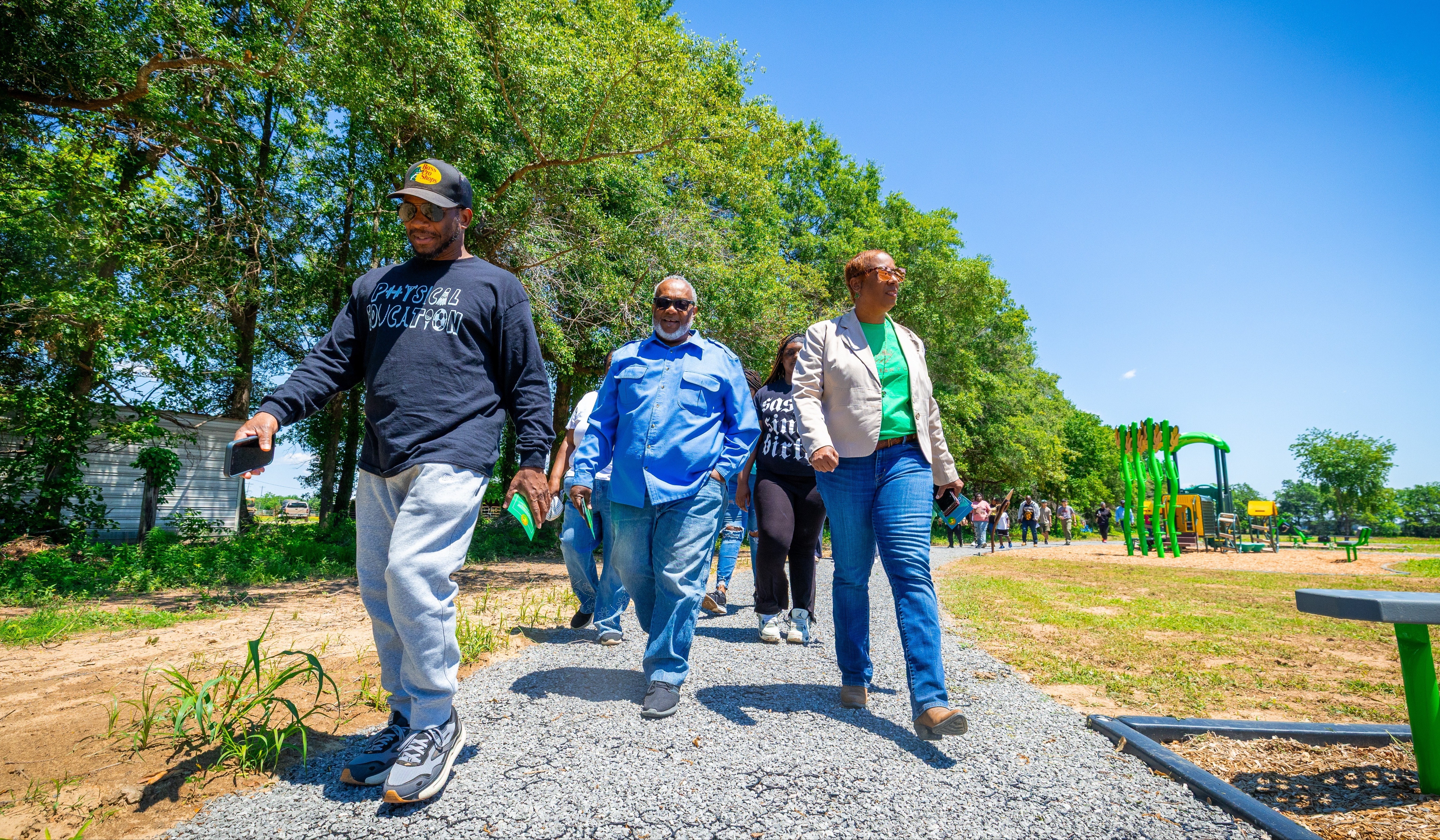
Ask Questions That Leave Room for Real Answers
Community engagement is most valuable when it helps shape the vision, not just validate it.
There is a meaningful difference between asking:
"Would you like a playground here?"
and asking:
"What would make you use this park more often?"
The first asks people to respond to an idea that is already on the table.
The second invites them to identify barriers, opportunities, and needs planners may not have considered.
The answer might be a playground, but it might also be better lighting, accessible restrooms, shade, a walking loop, a dog park, gathering spaces, or simply more trees.
People are often experts in their own experience. The challenge is giving them opportunities to share it.
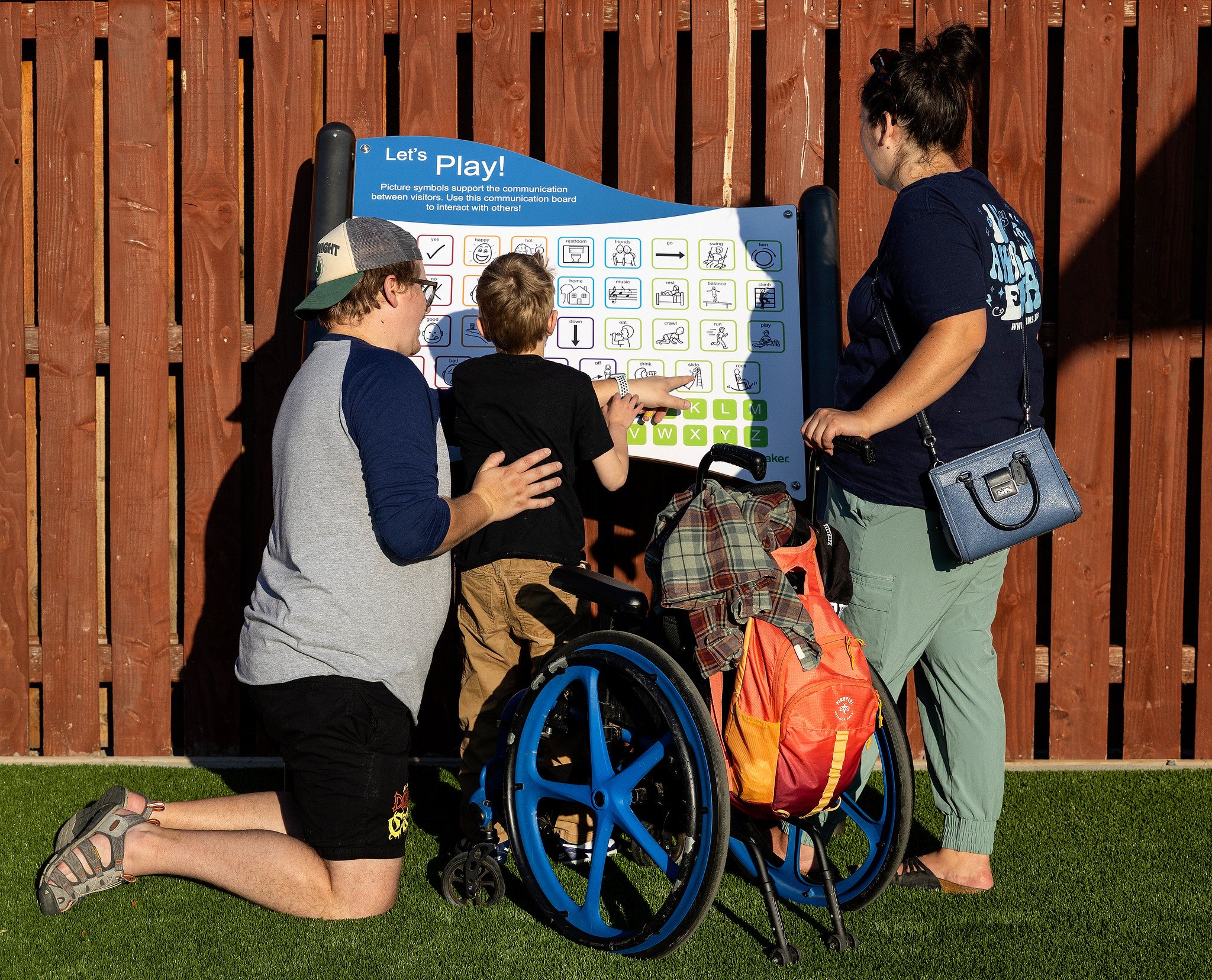
Who Isn't in the Room?
One of the biggest challenges with community engagement is that the people most affected by a project are not always the people participating in the planning process. Public meetings remain valuable, but attendance often reflects who has the time, transportation, confidence, and familiarity to participate. As a result, important perspectives are left out.
That may include families with young children, teenagers, older adults, people with disabilities, shift workers, residents who speak different languages, or individuals who do not currently use the park at all. That last group deserves particular attention. Existing users can help identify ways to improve a park. Non-users can help reveal barriers that prevent people from visiting in the first place.
Meaningful engagement often requires meeting people where they already are schools, community centers, neighborhood events, faith organizations, festivals, and other trusted community spaces.
The goal is not simply to collect opinions. It is to understand experiences.
.jpg?width=5760&height=3840&name=BCBST-MemphisHealthyPlacesCommunityMeeting-SW-155%20(1).jpg)
Data and Community Input Work Better Together
Community feedback is critical, but it should not exist in isolation. NRPA recommends pairing community engagement with tools such as GIS analysis, demographic data, park audits, proximity studies, and assessments of existing amenities. Data helps identify patterns. Residents help explain them.
Together, they provide a more complete picture of how a park is serving a community and where opportunities exist to improve access, equity, and experience.
Build for Today and Tomorrow
Communities change.
Neighborhood demographics shift. Recreation interests evolve. Climate conditions affect how public spaces are used. Residents age, and new generations arrive with different expectations.
The most resilient parks are designed with enough flexibility to evolve alongside the people they serve. An open lawn can support informal recreation one day and a community event the next. A shelter can host birthday parties, educational programs, and neighborhood meetings. Gathering spaces can adapt to changing uses without requiring major reinvestment. Flexibility does not just support longevity. It allows communities to continue shaping a park long after construction is complete.
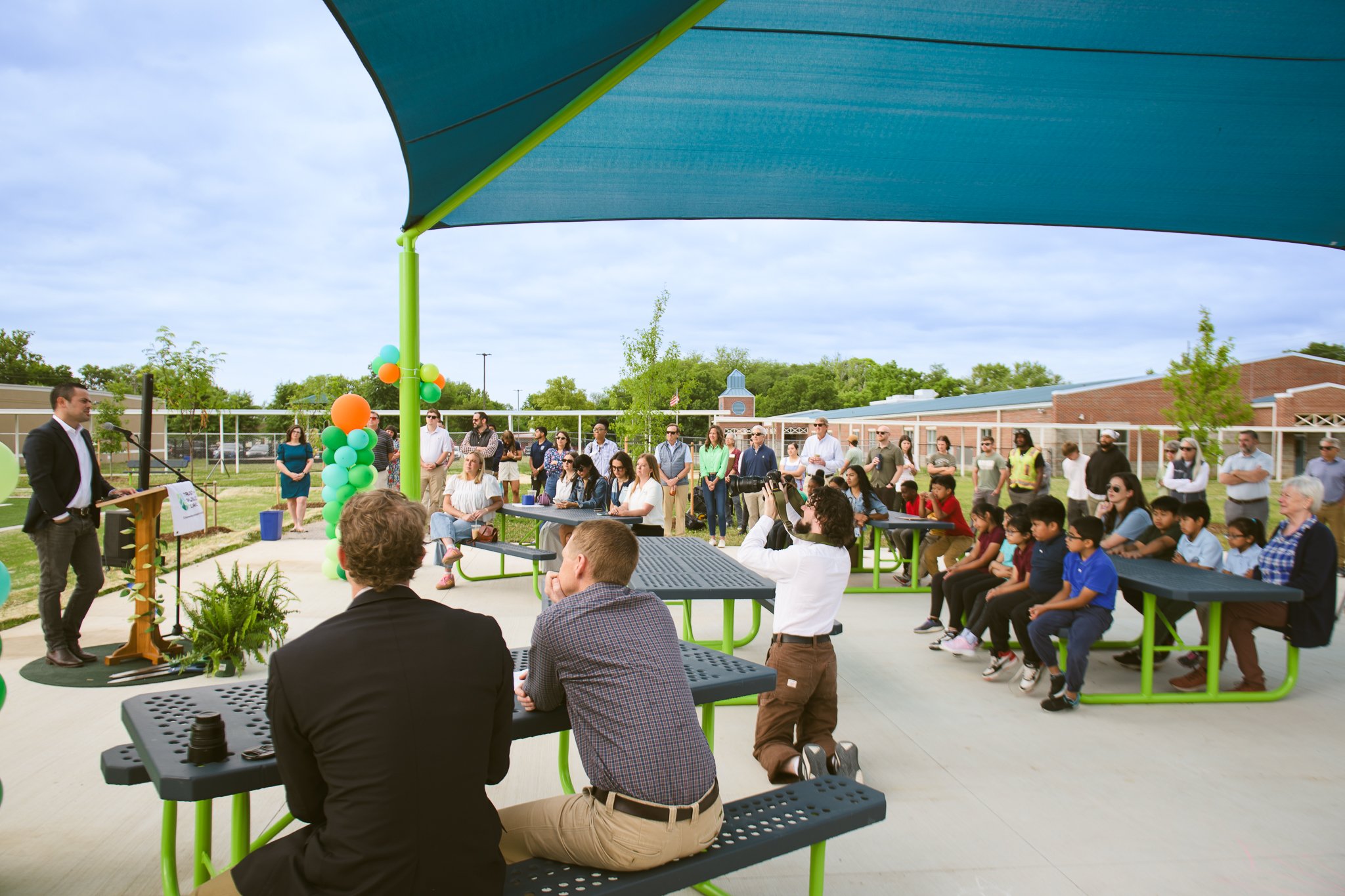
The Goal Isn't More Amenities. It's Greater Impact.
More than 227 million U.S. adults or members of their households visited a local park or recreation facility in 2025, according to NRPA. The most common reason was simple: to spend time with family and friends.
That is a useful reminder of what parks ultimately provide.
People may come for a trail, a playground, or a pickleball court. But what they are really looking for is a place to connect, belong, and spend time together.
Before the renderings, equipment selections, and ribbon cuttings, take the time to ask a simple question: What does this community need from this space?
Great parks do not happen by accident. They happen when communities are heard, needs are understood, and design decisions are guided by purpose. At Impact Parks, that is the foundation of every project we help bring to life. Connect with us today.