
America Has Found Its Third Place: And It's Outdoors
Posted on July 9, 2026
For decades, sociologists have talked about the importance of the "third place.” These are
spaces where people gather outside of home (our first place) and work (our second place). These are the places where connection happens, and communities take shape.
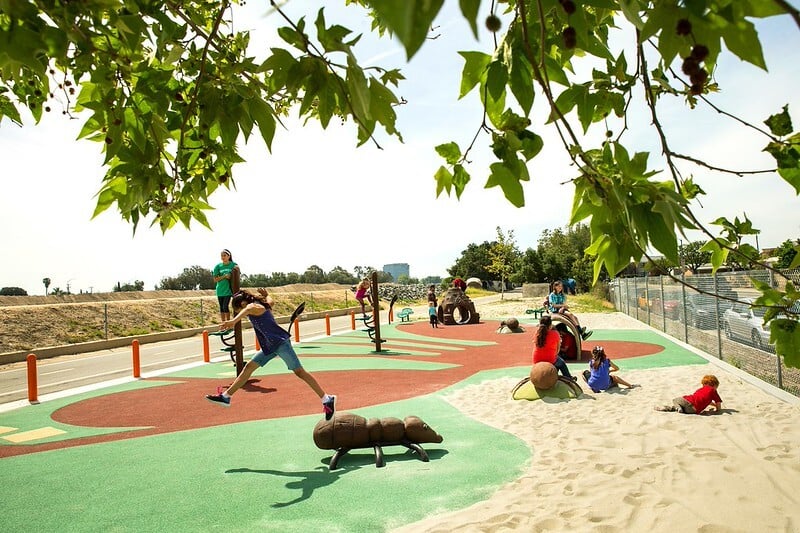
Coffee shops once filled that role. So did community centers and local diners. Today, Americans are choosing something different. They're choosing parks.
According to the Trust for Public Land, parks, trails, playgrounds, and other outdoor spaces have become America's most popular third place. 79% of Americans say parks are essential infrastructure, not just amenities. Those numbers tell an important story.
Communities aren't simply asking for more places to play. They're looking for places to belong.
More Than Recreation
In a world where so much of our attention is focused on screens, meaningful face-to-face connections have become increasingly rare. Parks provide something many communities are missing: authentic, unscripted opportunities to connect with one another.
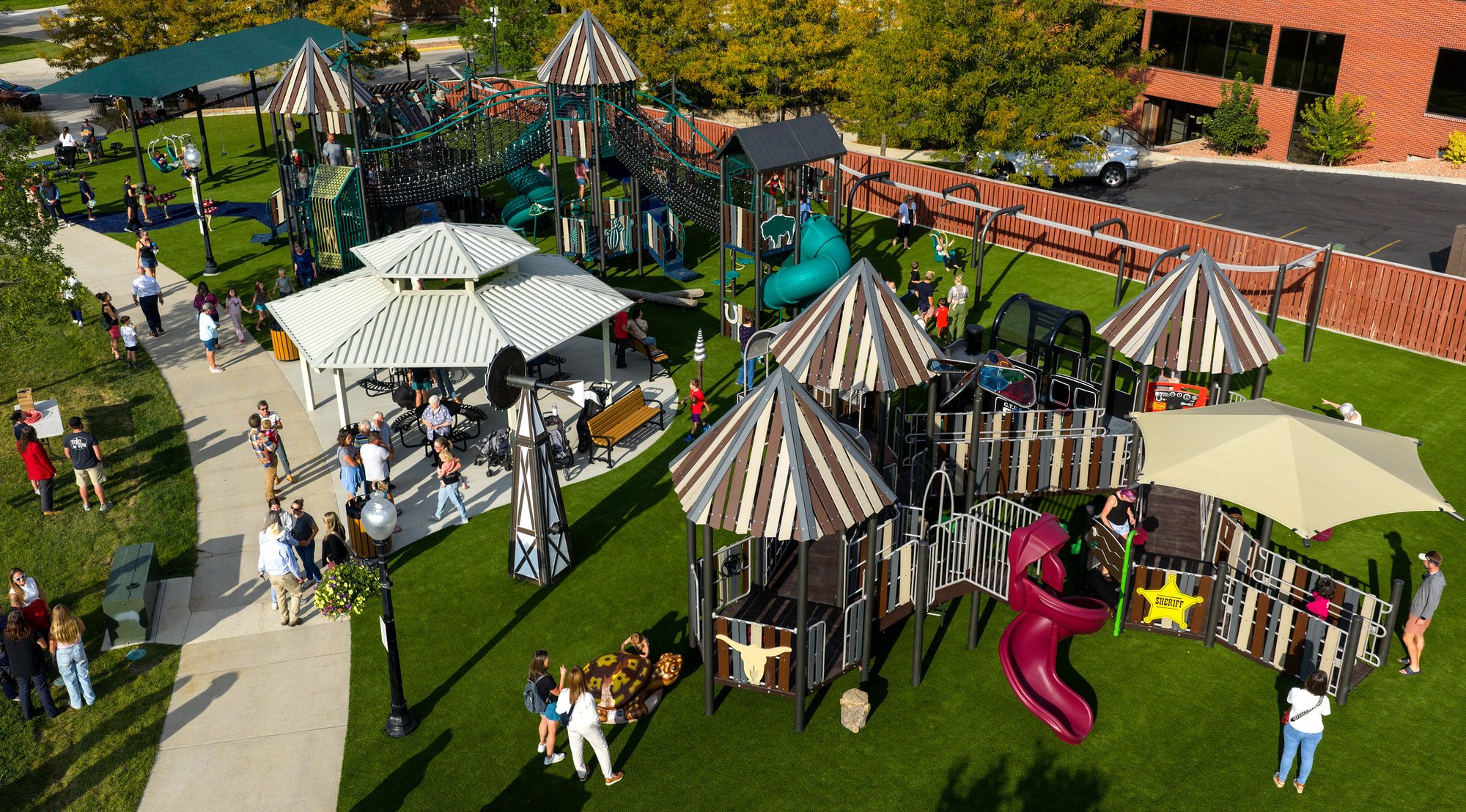
More than places for recreation, parks serve as the backdrop for everyday moments that strengthen communities. They're where birthday celebrations bring families together under a pavilion, where grandparents create lasting memories while pushing grandchildren on swings, and where neighbors turn evening walks into new friendships. Parks are spaces where children build confidence through play, adults rediscover a sense of wonder, and people of all ages find common ground.
The Trust for Public Land found in previous research that parks are among the few places where people regularly interact with individuals they don't already know. Parks naturally create opportunities for connection across generations and backgrounds.
Designing Places That Bring People Together
Not every outdoor space automatically becomes an attractive community destination. Thoughtful Park design focuses on inclusivity, ensuring that diverse groups are encouraged to linger, visit frequently, and engage in organic social interactions.
Successful third places go beyond simple amenities. By integrating a variety of elements, they foster social interaction, encourage creativity, and support community health for people of all ages and abilities. Elements like inclusive playgrounds, outdoor fitness areas, inviting gathering spots, and well-connected pathways help create a well-rounded space.
Parks have the capability of becoming destinations rather than pass-through spaces.
Healthy Communities Start Outdoors
The ParkScore report also reinforces the fact that parks improve health. Nearly 90% of park visitors say they use outdoor spaces because of the physical and mental health benefits. In fact, 92% say health motivates them to spend more time outside.
Access to recreation isn't just about exercise. It's about creating places where healthy choices become the easy choices. As communities continue investing in public health, parks are proving to be one of the most effective tools available. When designed with accessibility and inclusivity in mind, these spaces can have a measurable impact on community well-being.
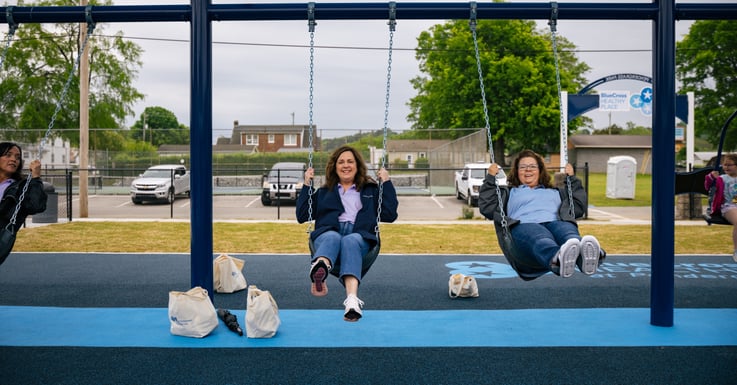
We’ve seen this impact firsthand in Knoxville, Tennessee. BlueCross Healthy Place at Morningside Park has welcomed more than 109,000 visitors in the last two years. By integrating accessible features, the park supports intergenerational use, creating opportunities for people of all ages to exercise. Guests are returning nearly 3 times on average and staying around 50 minutes, an impressive number for a service area of 24,000 residents.
Parks Deliver More Than Community
The return on investing in parks extends well beyond recreation. The Trust for Public Land notes that every $1 invested in parks and recreation generates at least $3 in local economic benefits each year.
Communities across the country are increasingly recognizing parks as an economic development strategy. NRPA found that local parks also fuel an estimated $201 billion in annual economic activity and support more than 1.1 million jobs.
In our home city of Chattanooga, Tenn., city leaders have recognized that quality parks play an important role in attracting and retaining employees. Mayor Tim Kelly noted in the report that companies increasingly view parks and outdoor amenities as valuable assets.
Building the Places Where Community Happens
The most meaningful community spaces aren't always buildings. Sometimes they're walking trails shared by neighbors every morning. As well as playgrounds that are the foundation of lifelong friendships. These spaces quietly shape the health, identity, and resilience of a community.
As more cities recognize parks as essential infrastructure, the conversation is shifting. Parks are no longer viewed as "nice-to-have" amenities. They're foundational assets that improve the quality of a community.
At IMPACT Parks, that's the kind of impact we believe every community deserves. Contact Rudy or Cindy to talk about how you can create your community's third place.